
Solar Power in Pakistan: Benefits, Costs, and Future Trends
Pakistan’s energy landscape is changing rapidly. Rising electricity prices, increasing demand, and frequent power interruptions have encouraged homeowners and businesses to explore smarter alternatives. Among all renewable options, solar power in Pakistan has emerged as the most practical and scalable solution for long-term energy stability.
From residential rooftops in Karachi and Lahore to commercial facilities in Islamabad and industrial zones across Punjab, solar energy is transforming how electricity is produced and consumed. Today, solar is not only an environmentally responsible choice but also a financially strategic investment.
This guide explains how solar power works in Pakistan, why adoption is growing quickly, and how individuals and businesses can benefit from switching to solar energy.
Why Solar Power Is Growing Rapidly in Pakistan
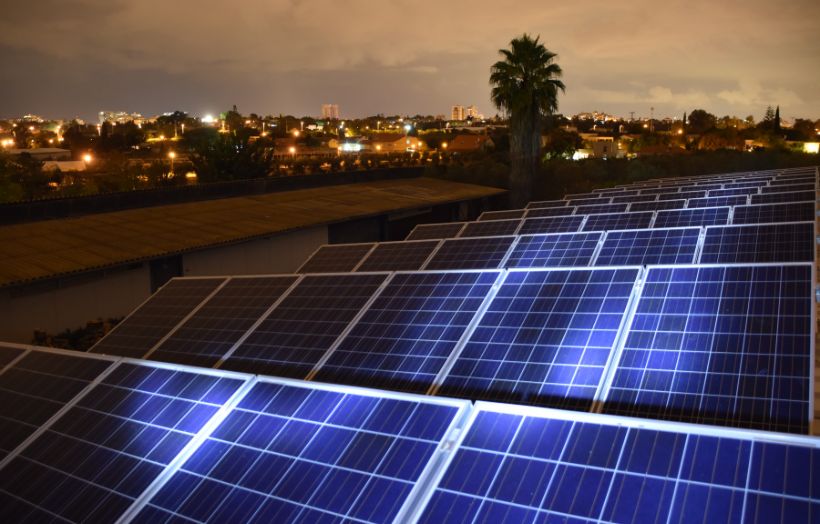
Pakistan receives abundant sunlight throughout the year, making it one of the most suitable regions for solar energy generation. Most areas receive between 8 to 10 hours of sunlight daily, which allows solar panels to produce consistent electricity across seasons.
Several factors are accelerating solar adoption nationwide:
• Rising electricity tariffs and fuel adjustment charges
• Load shedding in many regions
• Increased awareness of renewable energy
• Availability of modern inverter and battery technologies
• Government support through net metering policies
Because sunlight is freely available, solar systems allow users to reduce dependence on traditional power sources while gaining predictable energy costs.
How Solar Power Works in Pakistan
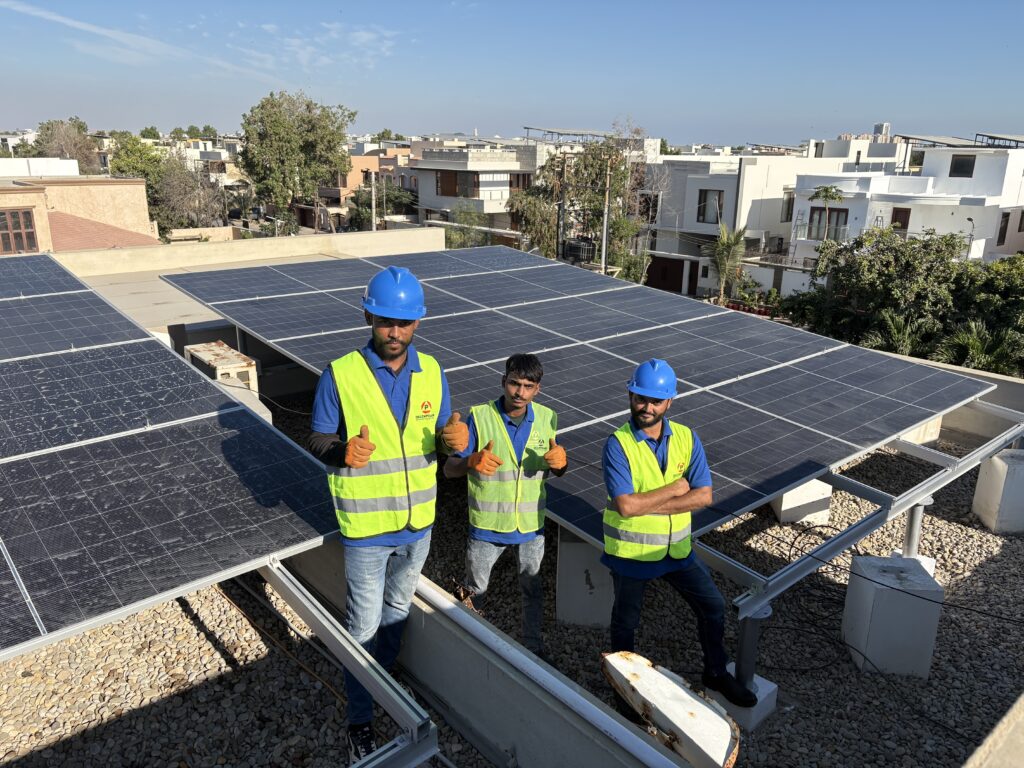
A solar system converts sunlight into usable electricity through photovoltaic panels installed on rooftops or open spaces. The electricity generated during the day powers appliances directly, while excess energy can either be stored in batteries or exported to the grid through net metering.
A standard solar setup includes:
- Solar panels that generate electricity
- An inverter that converts power for home or business use
- Optional battery storage for backup during outages
- Mounting structures that position panels for maximum sunlight exposure
This combination allows users to run homes, offices, and commercial operations efficiently using renewable energy.
Types of Solar Systems Commonly Used in Pakistan
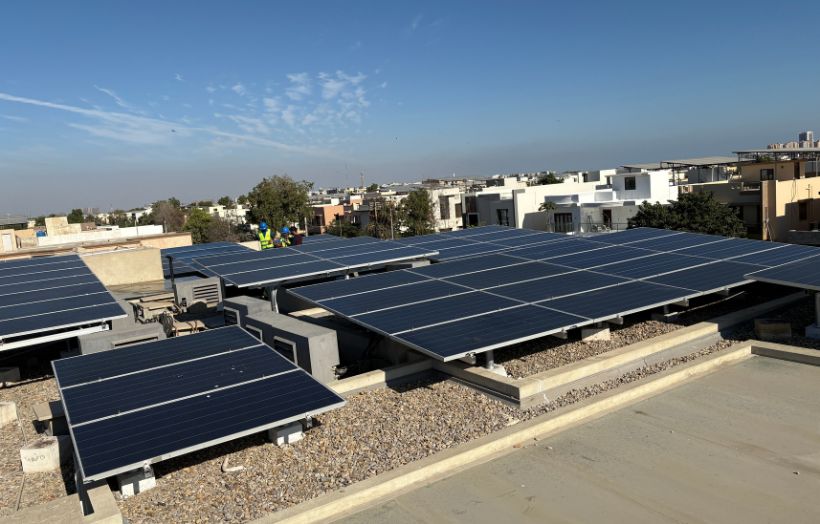
Different locations and energy needs require different solar configurations. Understanding these options helps users select the right system.
On-Grid Solar Systems
These systems connect directly to the electricity grid and are designed mainly to reduce electricity bills. Excess electricity can be exported through net metering, making them ideal for areas with stable grid supply.
Hybrid Solar Systems
Hybrid solar system combine solar panels, batteries, and grid connectivity. They provide both savings and backup power, making them popular in cities where load shedding still occurs.
Off Grid Solar Systems
Off-grid solar system operate independently without any grid connection. They are commonly installed in rural areas, farms, and remote locations where electricity access is limited.
Benefits of Solar Power for Homes in Pakistan
Solar energy offers several practical advantages for households.
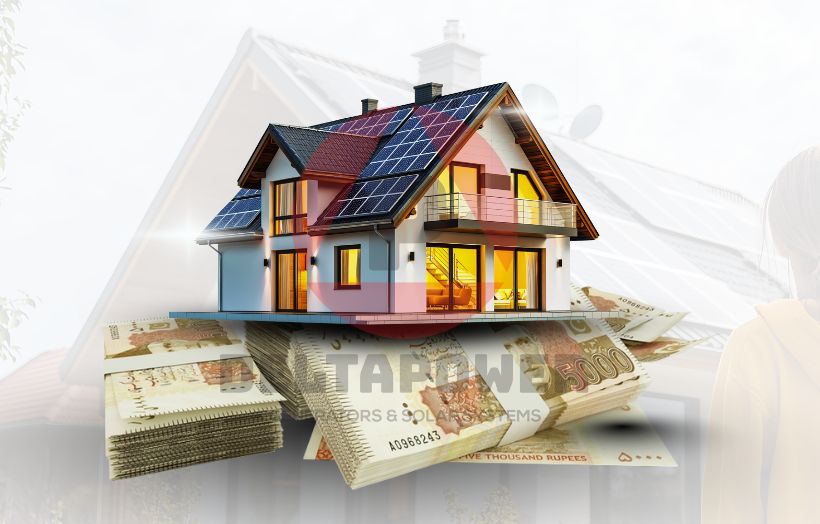
Lower electricity bills are often the first noticeable benefit. Solar panels generate electricity during peak daytime hours when consumption is highest, reducing reliance on expensive grid power.
Backup capability through batteries provides comfort during outages. Families can continue daily activities without disruption.
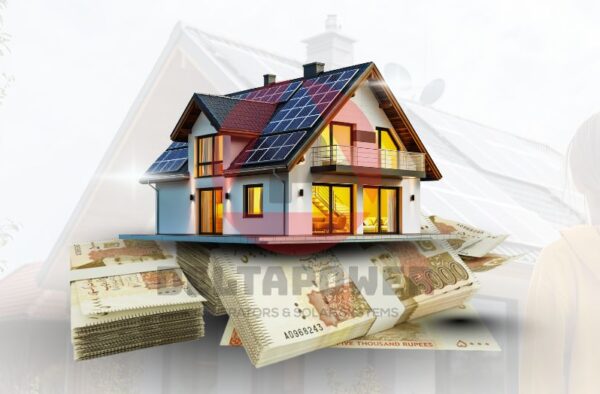
Solar installations also increase property value. Homes equipped with solar systems attract buyers who prefer energy-efficient properties with lower operational costs.
Advantages of Solar Power for Businesses
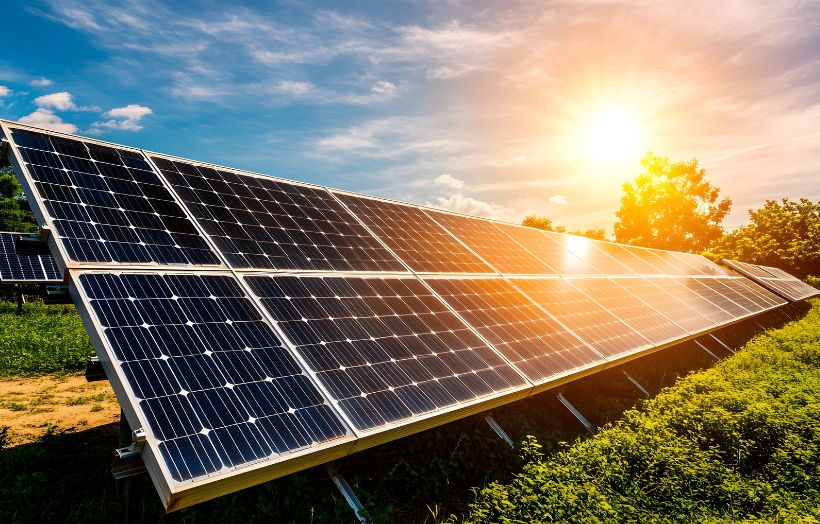
Commercial and industrial users benefit even more from solar adoption because energy consumption is typically higher during daylight hours.
Businesses experience reduced operational expenses, improved energy reliability, and better financial planning due to predictable electricity costs. Solar energy also strengthens brand reputation by demonstrating commitment to sustainability and environmental responsibility.
Many commercial facilities across Pakistan are now integrating solar as part of long-term operational strategy.
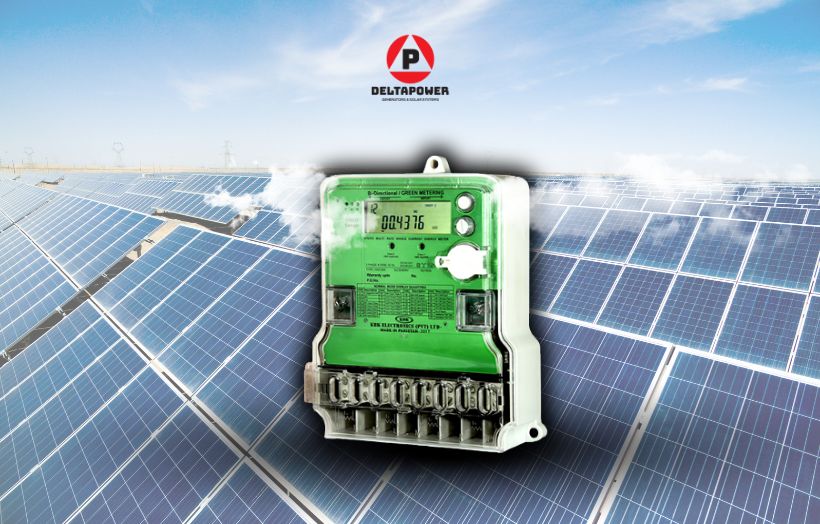
Solar Power and Net Metering in Pakistan
Net metering allows solar system owners to send excess electricity back to the national grid and receive credits on their electricity bills. This policy has significantly improved the return on investment for solar users.
During sunny hours, surplus electricity generated by solar panels offsets nighttime consumption, helping users maximize savings throughout the year.
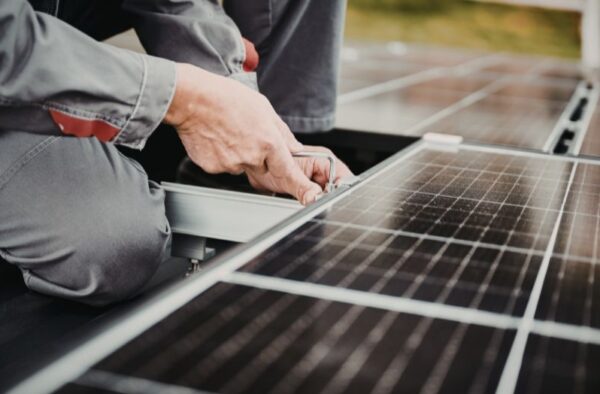
Solar systems require minimal maintenance compared to traditional energy solutions. Periodic cleaning ensures panels operate at maximum efficiency, especially in dusty environments common across Pakistan.
Professional solar panel cleaning services help maintain performance, while occasional inspections ensure inverters and batteries function properly.
With proper care, solar panels typically last 25 years or more, making solar one of the most durable energy investments available.
Net metering regulations in Pakistan are governed by the National Electric Power Regulatory Authority (NEPRA), which enables solar users to export excess electricity to the grid under approved policies.
Why Solar Power Is a Long-Term Investment
Unlike conventional electricity, solar energy protects users from unpredictable tariff increases. Once installed, the system continues generating electricity with minimal operating costs.
Over time, savings accumulate while energy independence increases. This makes solar power not just an upgrade but a long-term financial strategy for households and businesses alike.
The Future of Solar Power in Pakistan
As technology improves and awareness grows, solar adoption is expected to expand rapidly across the country. Falling equipment costs, improved battery storage, and smarter energy management systems are making solar accessible to more people each year.
Cities, rural communities, and industries are gradually shifting toward renewable energy as a reliable alternative to traditional power generation.
Solar power is no longer a niche solution. It is becoming a central part of Pakistan’s energy future.
Solar power in Pakistan offers a practical path toward affordable, reliable, and sustainable electricity. Whether for homes seeking lower bills or businesses aiming for operational stability, solar energy provides measurable long-term benefits.
With proper planning, professional installation, and quality components, solar systems can deliver decades of dependable performance while reducing environmental impact.
Delta Power helps homeowners and businesses transition smoothly to solar by providing tailored energy solutions designed specifically for Pakistan’s climate and energy needs.
If you are considering switching to solar power, now is the ideal time to explore how clean energy can transform the way you power your life.
FAQs
Yes. Pakistan receives strong sunlight throughout the year, averaging 8 to 10 sunlight hours daily in most regions, making solar power highly efficient for electricity generation.
A properly sized solar system in Pakistan can generate enough electricity to cover 60 to 90 percent of a typical household’s energy needs, depending on location and consumption.
Solar power performs well across Karachi, Lahore, Islamabad, Faisalabad, Multan, and most parts of Sindh and Punjab due to consistent sunlight availability.
Yes. Solar systems reduce reliance on grid electricity, and with net metering, excess energy can be exported to offset electricity costs.
Solar panels typically last 25 years or more, while inverters and batteries vary depending on technology and maintenance practices.