
Complete Energy Independence with an Off Grid Solar System
Electricity shortages, rising tariffs, and unreliable grid supply have made energy independence a priority for many households and businesses in Pakistan. While on-grid and hybrid systems remain popular in cities, an off grid solar system offers something unique: complete freedom from the utility grid.
For locations where electricity is unavailable, unstable, or too expensive, off-grid solar provides a practical and long-term solution. This guide explains how an off grid solar system works, who should consider installing one, and what benefits it offers in real-world conditions.
What Is an Off Grid Solar System
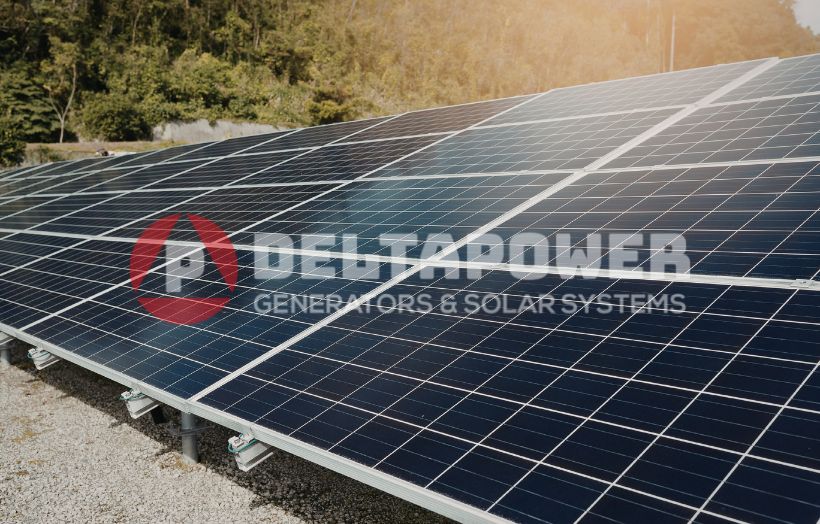
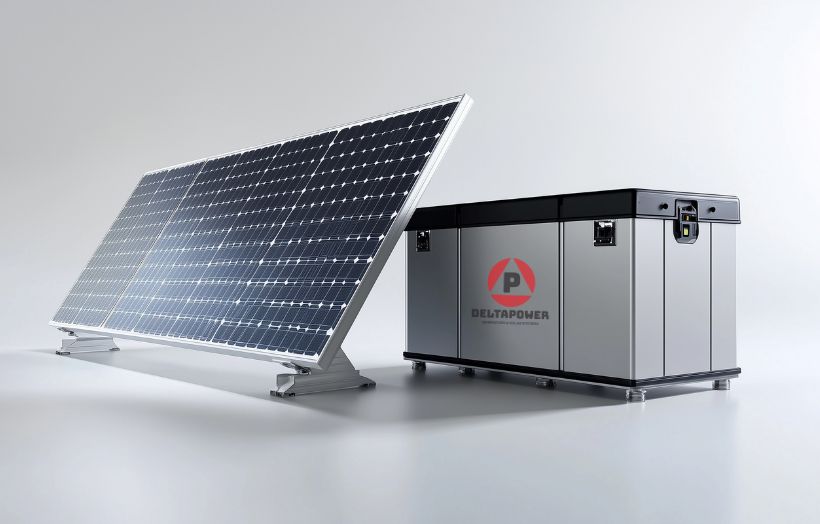
An off grid solar system is a solar power setup that operates entirely independently from the national electricity grid. It generates electricity using solar panels and stores energy in batteries for use at night or during cloudy weather.
Unlike grid-connected systems, an off-grid setup does not rely on external electricity at all. Every unit of power used in the property is produced and stored locally.
This makes it ideal for areas where grid access is limited or unreliable.
How an Off Grid Solar System Works
The system follows a simple energy cycle throughout the day.
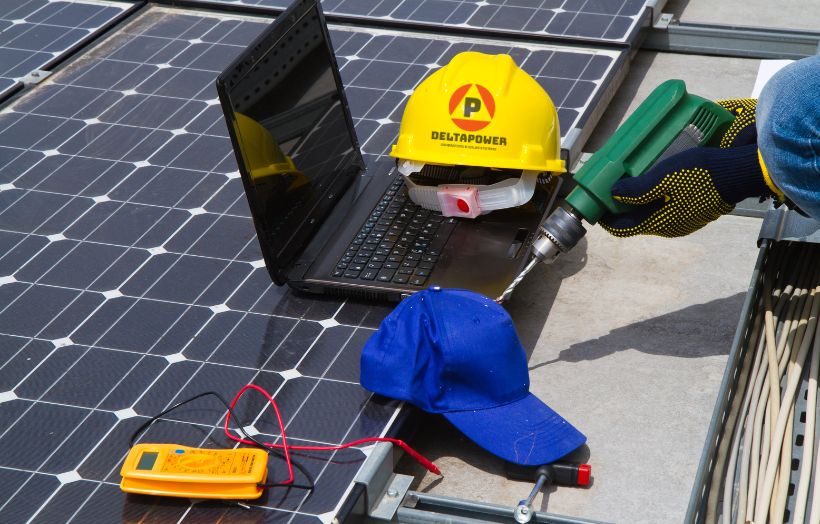
During daylight hours, solar panels convert sunlight into electricity. This energy powers appliances directly while also charging the battery bank. Once the sun sets, stored battery energy supplies electricity to the home or facility.
A solar inverter converts stored power into usable electricity for daily appliances, ensuring stable voltage and smooth operation.
Because there is no grid backup, system sizing and battery capacity are carefully planned to meet energy needs at all times.
Key Components of an Off Grid Solar System
| Component | Role in the System | Why It Matters |
|---|---|---|
| Solar Panels | Capture sunlight and convert it into electricity. | Panel efficiency directly affects how much energy your system generates each day. |
| Battery Bank | Stores excess electricity for use at night or during low sunlight conditions. | Modern lithium batteries provide longer lifespan, stable power supply, and better performance. |
| Off-Grid Inverter | Converts DC electricity into AC power suitable for household appliances and manages energy flow. | Ensures appliances run safely with stable voltage and efficient energy distribution. |
| Charge Controller | Regulates voltage between panels and batteries. | Prevents overcharging and deep discharge, protecting battery health and extending lifespan. |
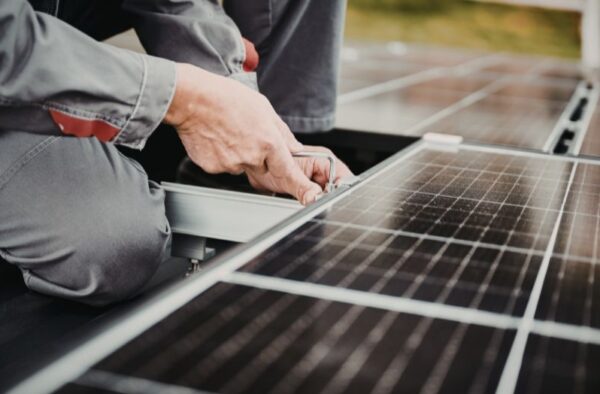
| Solar Structure Installation | Mounting framework that holds solar panels securely at the correct angle. | Maintains stability, safety, and optimal sunlight exposure for long-term performance. |
An off grid solar system is not always necessary for every property, but it becomes the best option in specific situations.
It is ideal for:
• Rural areas with no grid connection
• Farmhouses and agricultural land
• Remote industrial sites
• Mountain or desert locations
• Locations facing extremely unreliable electricity supply
Many businesses also choose off-grid setups to eliminate dependency on fluctuating energy costs.
Key Benefits of an Off Grid Solar System
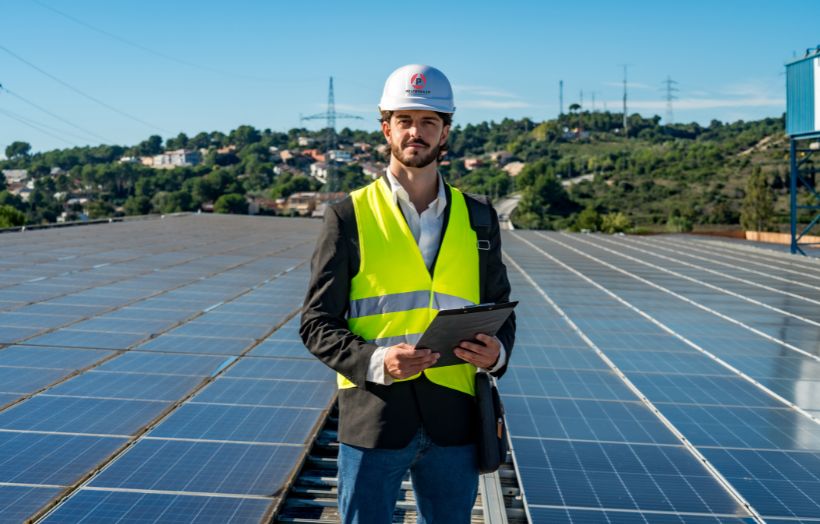
An off grid solar system gives you full control over how your electricity is produced and used. Instead of depending on an unstable power supply or rising electricity tariffs, you generate your own energy directly from sunlight and store it for later use. This makes off-grid solar a reliable solution for people who want long-term energy security, especially in areas where electricity availability is limited or inconsistent. Along with financial savings, it also brings comfort, predictability, and environmental benefits.
• You become independent from utility companies and power outages because electricity is generated and stored on your own property.
• Monthly electricity bills are eliminated since the system does not rely on grid consumption after installation.
• Reliable electricity becomes available even in remote or rural locations where grid expansion is difficult or expensive.
• Solar energy reduces carbon emissions and supports cleaner and more sustainable power generation.
• Energy costs remain stable over time because sunlight is free and unaffected by tariff increases.

Off Grid vs Hybrid vs On Grid Solar Systems
| Solar System Type | Grid Connection | Backup During Outages | How It Works | Best For |
|---|---|---|---|---|
| On-Grid System | Connected to utility grid | No backup power | Uses solar energy with grid support and exports excess electricity through net metering. | Areas with stable electricity supply focused on bill reduction. |
| Hybrid Solar System | Connected to grid + batteries | Yes | Combines solar panels, batteries, and grid connection for savings and backup flexibility. | Homes needing both savings and protection from load shedding. |
| Off Grid Solar System | No grid connection | Full independence | Generates and stores all electricity locally using solar panels and batteries. | Remote locations or users seeking complete energy independence. |
Important Factors Before Installing an Off Grid Solar System
Designing an off-grid system requires careful planning because there is no external power backup.
Key considerations include daily electricity usage, battery storage capacity, available installation space, and future energy needs. Professional assessment ensures the system produces enough energy year-round, even during shorter winter days.
Delta Power performs detailed load analysis to ensure customers receive a system tailored to their actual consumption.
Maintenance and System Care
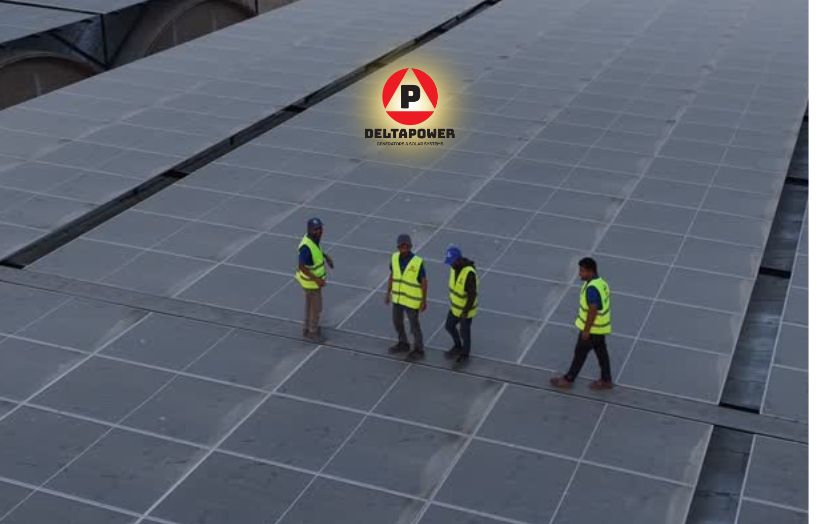
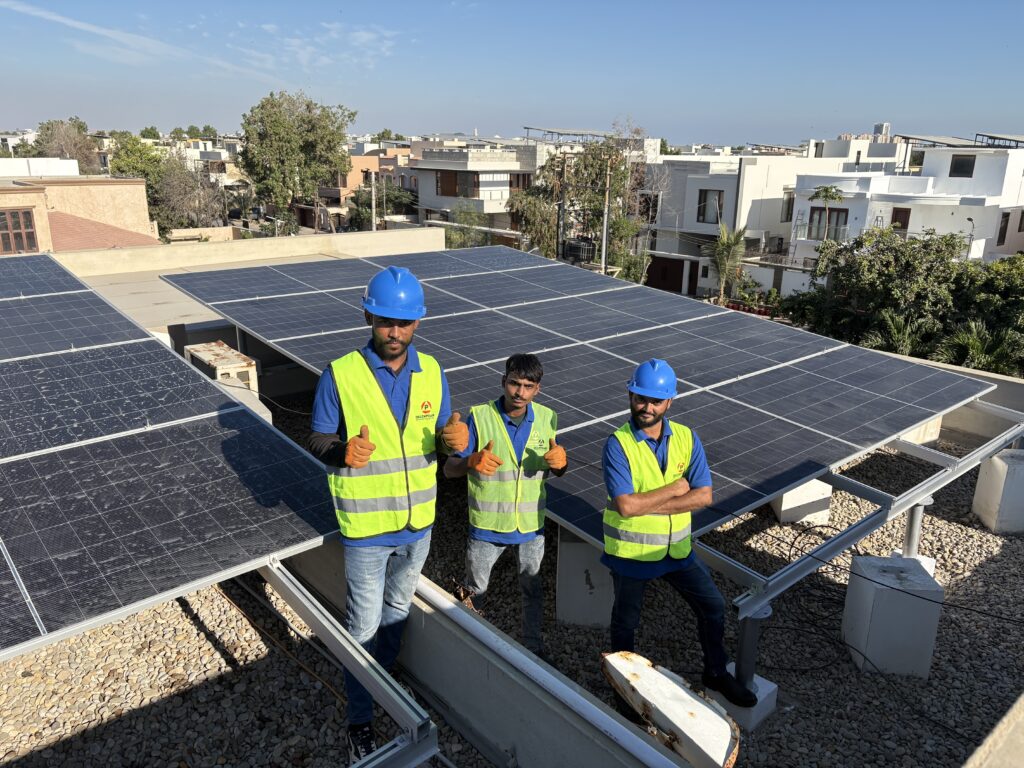
Off-grid systems require regular but simple maintenance. Solar panels should remain clean to maintain efficiency, especially in dusty environments common across Pakistan.
Professional solar panel cleaning services help maintain peak performance, while periodic inspections ensure batteries and electrical components remain healthy.
With proper care, solar panels can last over 25 years, making off-grid solar a dependable long-term investment.
Is an Off Grid Solar System Right for You
An off grid solar system is the best choice if you want total energy independence or live in a location where grid electricity is unreliable or unavailable.
However, if you already have stable grid access and want both savings and backup, hybrid solar solutions may be more suitable. The right decision depends on your lifestyle, location, and energy priorities.
Delta Power helps customers evaluate their requirements and recommends the most efficient solar energy solution based on real conditions rather than assumptions.
An off grid solar system represents true energy freedom. It allows homes, farms, and businesses to operate independently while reducing long-term energy costs and environmental impact.
As solar technology continues to improve, off-grid systems are becoming more efficient, more reliable, and more accessible across Pakistan.
If you are planning to move toward complete energy independence, Delta Power can help you design and install an off-grid solar solution tailored specifically to your needs.
Contact Delta Power today to explore how off-grid solar can power your future with confidence and reliability.
FAQs
An off grid solar system generates electricity using solar panels and stores excess energy in batteries for later use. It operates independently from the utility grid, allowing homes or businesses to run entirely on solar power.
Off-grid systems are ideal for rural areas, farmhouses, remote businesses, and locations with unreliable electricity supply. They are also suitable for users who want complete energy independence.
Yes, an off-grid system can power an entire home if it is properly sized according to electricity usage. Battery capacity and solar panel output are designed based on daily energy consumption.
Modern lithium solar batteries typically last 8 to 12 years depending on usage, maintenance, and charging cycles. Proper system design helps extend battery lifespan.
An off grid system works completely independently without a grid connection, while a hybrid system uses solar panels, batteries, and the grid together for both savings and backup power.