


How Net Billing in Pakistan Impacts Solar Payback and System Performance
Net billing has officially replaced net metering in Pakistan, marking a major shift in how solar consumers interact with the national grid. This change affects existing and future solar users, alters return calculations, and reshapes how solar systems should now be designed.
For homeowners, businesses, and industries considering solar or already using it understanding net billing is critical to making the right energy decisions going forward.

What Is Net Billing?
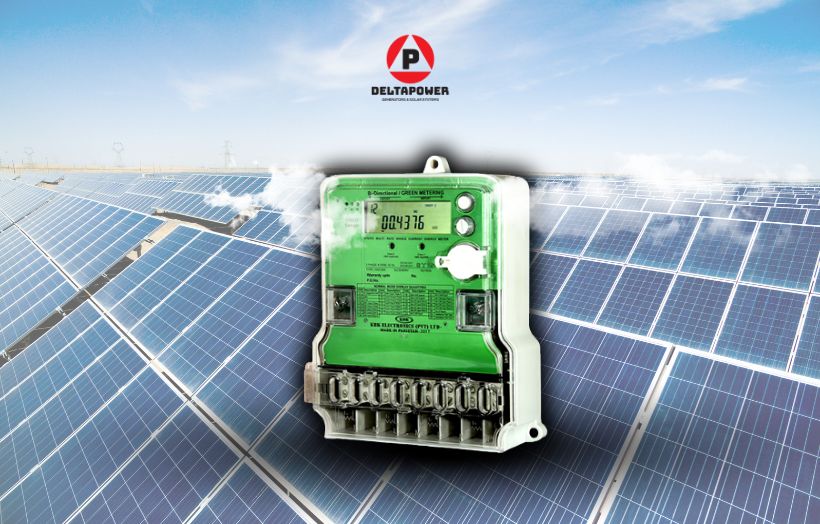
Under net billing, solar users buy electricity from the grid at the standard retail tariff and sell excess solar electricity back to the grid at a separate, lower export rate set by the regulator.
This is different from net metering, where exported units were credited at the same retail price consumers paid for electricity.
In simple terms:
- You pay full price for electricity you import.
- You receive a reduced price for electricity you export.

Why Pakistan Introduced Net Billing
Pakistan’s rapid solar adoption has significantly reduced daytime grid demand, especially in urban and commercial areas. While this helped consumers manage high electricity tariffs, it also created challenges for utilities.
The government introduced net billing to address three key issues:
1. Grid Revenue and Cost Recovery
Utilities recover fixed costs such as grid maintenance and capacity payments through electricity consumption. As solar adoption grew, utilities sold fewer daytime units, shifting these fixed costs to non-solar users.
2. The “Duck Curve” Problem
Midday solar generation now exceeds demand in many areas, while evening demand remains high. This imbalance stresses the grid and reduces system efficiency.
3. Equity Between Consumers
Under net metering, solar users avoided many fixed charges, while non-solar consumers absorbed rising tariffs. Net billing aims to reduce this imbalance.

How Net Billing Works in Practice
Under the new system, solar users engage in two separate transactions:
| Transaction | What Happens |
|---|---|
| Import from grid | You pay the full electricity tariff |
| Export to grid | You receive a lower, fixed buyback rate |
The current export rate reflects the national average cost at which the government purchases electricity from power plants, rather than the consumer retail tariff.

Impact on Solar Payback and System Design
Net billing does not remove the value of solar energy, but it shifts where that value comes from. Under the new framework, electricity exported to the grid delivers lower financial returns, which means systems designed mainly for export may take longer to recover their costs.
Oversized rooftop installations, once popular under net metering, now offer limited financial advantage. As a result, system performance depends less on export volume and more on how efficiently solar energy is used on-site.
This change places greater emphasis on self-consumption, accurate system sizing, battery integration for evening and peak-hour use, and smarter load management. Professional planning has become essential to ensure solar systems remain financially effective.
Does Net Billing Make Solar a Bad Investment?
Net billing does not make solar a poor investment, but it does require a different approach. Solar power continues to reduce electricity bills, protect consumers from future tariff increases, improve energy reliability, and lower carbon emissions.
However, systems that rely heavily on exporting electricity may no longer deliver optimal returns. Solar installations designed for on-site consumption and long-term operational efficiency continue to perform strongly, especially when aligned with actual energy usage patterns. With the right strategy, solar remains a highly valuable energy solution in Pakistan.
| Sector | Key Consideration Under Net Billing |
|---|---|
| Homes | Focus on daytime usage and battery backup |
| Commercial | Optimize load profiles and inverter sizing |
| Industrial | Integrate solar with operational demand and storage |
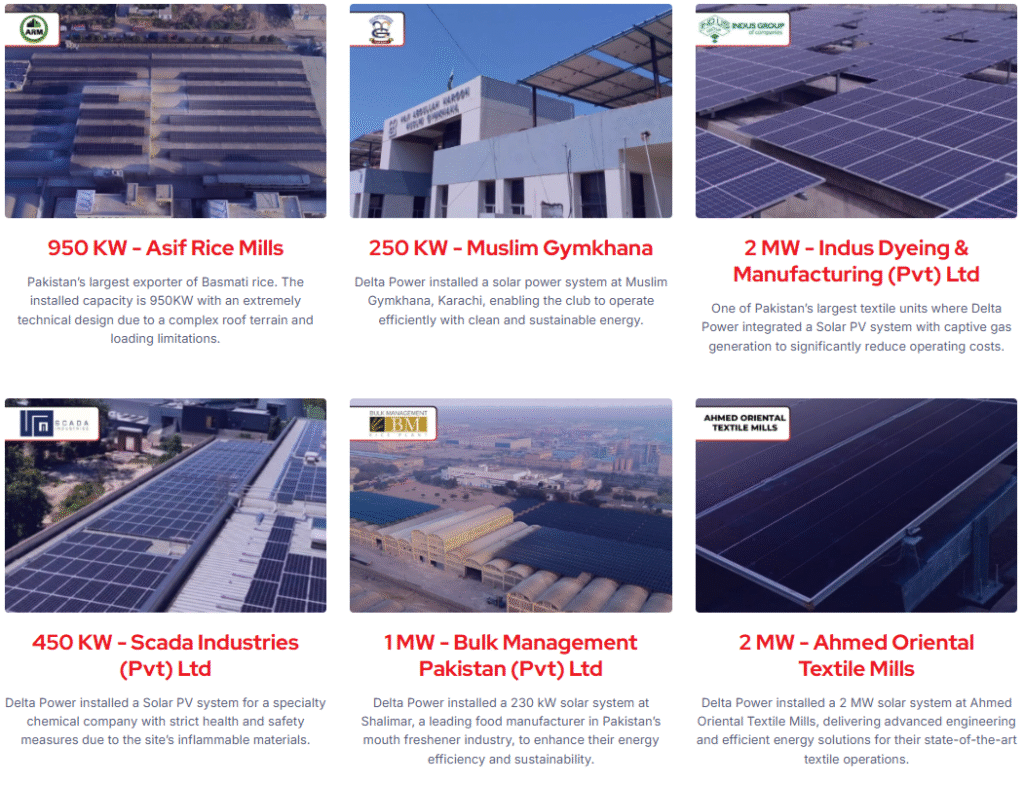
At Delta Power, system designs now prioritize maximum self-use, technical compliance, and future scalability, ensuring solar remains financially and operationally viable under the new framework.
The Role of Smart Design and Trusted Partners
Net billing places greater responsibility on system design and technical planning. Accurate load profiling, compliance with system sizing limits, careful inverter selection, effective battery strategies, and consideration for future electrification needs now play a critical role in system performance.
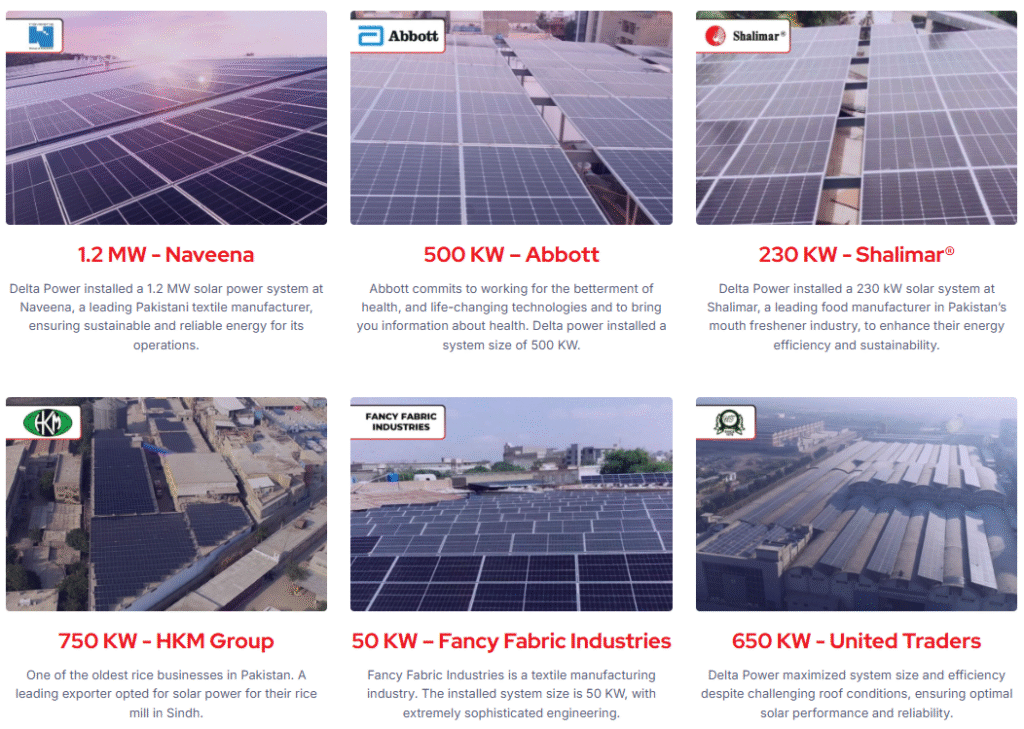
Delta Power’s experience across residential, commercial, and industrial projects enables clients to adapt confidently to regulatory changes while protecting long-term returns. Thoughtful engineering and experienced execution ensure solar systems remain efficient, compliant, and financially sustainable.
Net billing is not an anti-solar policy. When implemented with the right technical approach, it can improve grid stability, reduce unfair cost shifting, and encourage smarter energy use.
The real risk lies in poor system design, not the policy itself. Solar users who adjust their system strategy to focus on efficiency, self-consumption, and long-term planning will continue to benefit from clean, reliable, and cost-effective energy.
As Pakistan’s energy landscape evolves, informed decisions and experienced execution will determine who gains the most from solar in the years ahead.
❓ FAQs
Net billing in Pakistan allows solar users to import electricity from the grid at the retail tariff and export excess electricity at a lower, separate buyback rate set by the regulator.
Net billing can extend payback periods because exported electricity earns a lower rate compared to the previous net metering system. Systems designed for high self-consumption maintain stronger financial performance.
Yes. Solar remains a cost-effective solution when systems are properly sized and optimized for on-site usage. Smart design and load management protect long-term returns.
Battery integration can improve value under net billing by storing excess daytime energy for evening use, reducing dependence on grid imports during peak tariff hours.
You should focus on accurate load profiling, correct system sizing, high-efficiency components, and professional engineering to ensure compliance and maximum performance.