


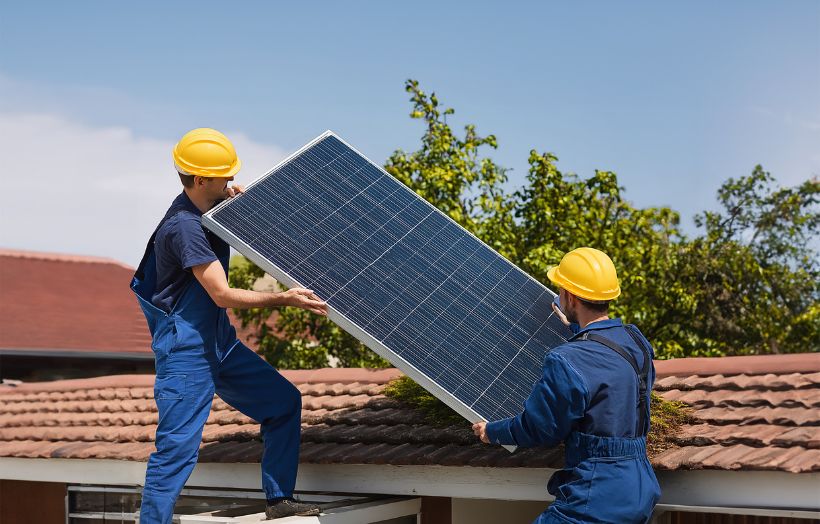
How Does Solar Panel Installation Work?
Solar panel installation works by assessing your electricity needs, placing solar panels where they receive maximum sunlight, and connecting them to an inverter that converts solar energy into usable electricity for your home or business. Once installed, the system starts generating power from sunlight, reducing your dependence on grid electricity and lowering monthly bills.
The process is planned, safe, and usually completed within a few days when handled by professional solar panel installation services. From site inspection to final system testing, each step ensures your solar system operates efficiently, reliably, and according to local regulations.
Understanding Solar Panel Installation in Simple Terms
Solar panel installation is not just about placing panels on a roof. It is a carefully planned process that ensures your system produces the maximum possible electricity while remaining safe and durable.
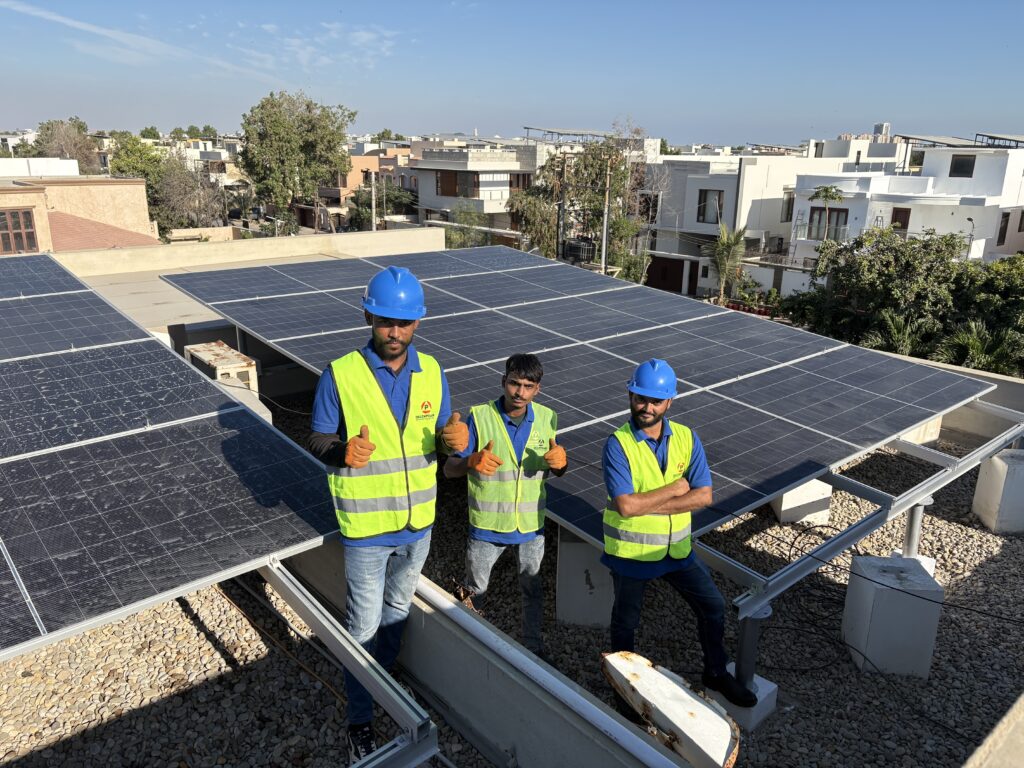
A complete installation includes solar panels, mounting structures, wiring, an inverter, and in some cases batteries. When installed by the best solar company in Pakistan, the system works efficiently for 20 to 25 years with minimal maintenance.
How Solar Panel Installation Works Step by Step
Step 1: Site Survey and Energy Assessment
The process begins with a physical inspection of your roof or available space. Installers analyze sunlight exposure, roof strength, and daily electricity consumption to determine the right system size.
This step ensures the solar system matches your actual energy needs rather than being over- or under-sized.
Step 2: System Design and Planning
Based on the survey, a customized solar system is designed. This includes deciding:
- Number of solar panels
- Type of inverter and battery solutions
- On-grid or hybrid solar system configuration
- Solar structure installation type
Good planning improves efficiency and reduces future issues.
Step 3: Solar Structure Installation
Before panels are installed, a strong mounting structure is fixed to the roof or ground. The structure is designed to handle wind load, weather conditions, and panel weight while maintaining the correct tilt angle for maximum sunlight.
Proper solar structure installation is essential for long-term safety.
Step 4: Solar Panel Installation
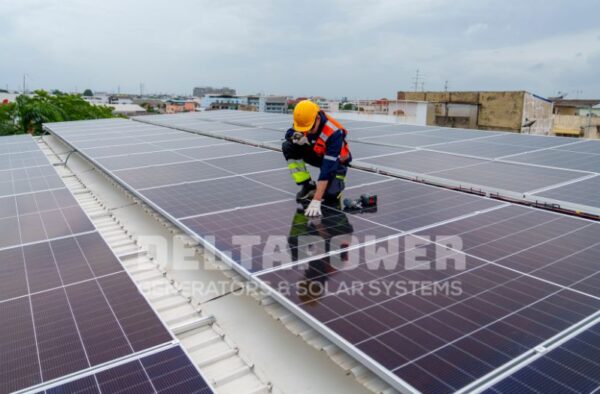
Solar panels are mounted securely onto the structure. They are aligned to capture the highest possible sunlight throughout the day. The panels are then connected in strings to ensure smooth power flow.
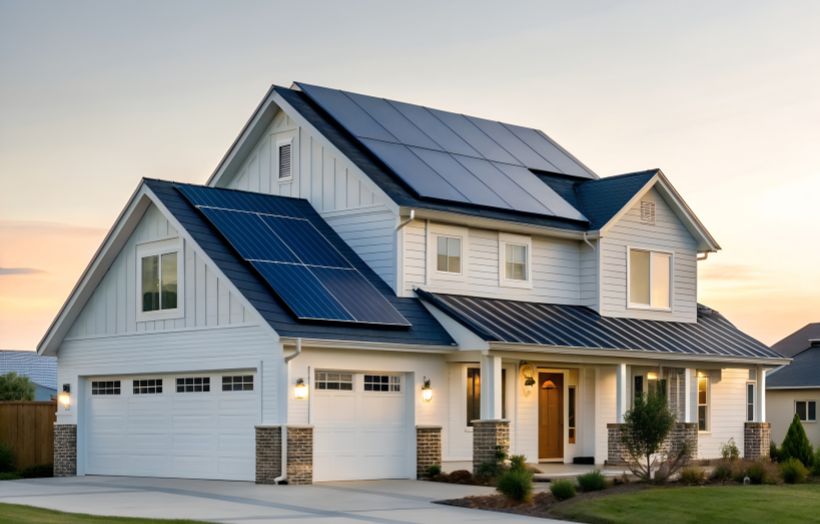
This step determines how much electricity your system will generate.
Step 5: Inverter and Battery Installation
The inverter converts solar energy into usable electricity for your appliances. If you choose a hybrid system, batteries installed to store excess power for use during load shedding or at night.
High-quality inverter and battery solutions ensure stable performance and backup power.
Step 6: Electrical Wiring and Safety Setup
All electrical connections completed according to safety standards. This includes DC and AC wiring, earthing, and protection devices to prevent electrical faults.
This step is crucial for system safety and reliability.
Step 7: Testing and System Activation
Before switching on the system, technicians test voltage levels, inverter settings, and overall performance. Once approved, the system is activated and begins generating electricity immediately.
If net metering is included, the system is synchronized with the grid.
Step-by-Step Guide
How to Install Solar Panels
- Inspect the Roof and Assess Energy Needs
The process starts by checking the roof’s condition, direction, and available space. At the same time, installers review electricity bills to understand daily and monthly energy usage. This step helps determine the right system size for your home or business.
- Design a Customized Solar System
After inspecting the roof and energy needs, experts design a customized solar system. They decide the number of panels, system type such as on-grid or hybrid, inverter capacity, and battery backup if required. The goal is to maximize energy production and long-term savings.
- Install Solar Mounting Structures
Technicians install strong solar mounting structures on the roof to securely hold the panels. These structures withstand wind, weather, and long-term exposure while keeping panels at the correct angle for sunlight.
- Mount and Connect Solar Panels
Installers carefully mount solar panels onto the structures and connect them in a series or parallel arrangement. Proper alignment helps panels absorb maximum sunlight throughout the day.
- Install Inverter and Battery System
The inverter converts solar energy into usable electricity for appliances. If the system includes batteries, technicians install them at this stage to store excess energy for nighttime use or during load shedding.
- Complete Electrical Wiring and Safety Checks
Electricians complete all electrical connections, including the connection to the main distribution board. They perform safety checks to ensure the system meets electrical standards and operates securely.
- Test and Activate the Solar System
After completing installation, technicians test the system to confirm proper operation. Once testing is complete, the solar system activates and starts generating clean electricity for your home or business.
Professional solar panel installation services
Professional solar panel installation services ensure:
- Maximum electricity generation
- Safe electrical connections
- Longer system lifespan
- Better return on investment
Whether it is residential solar installation or commercial solar installation, expert installation plays a key role in system success.
Solar panel installation is a straightforward process when handled by experienced professionals. From the first site visit to system activation, each step designed to ensure safety, efficiency, and long-term savings.
If you are searching for reliable solar panel installation near me, working with Delta Power ensures your solar journey is smooth, efficient, and future-ready.