

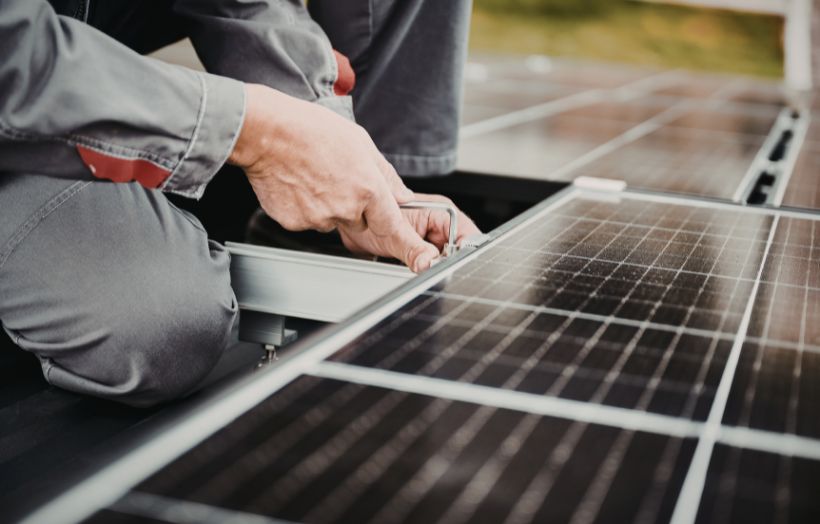
How to Protect Solar Panels During Heavy Storms
Solar panels are designed to handle tough weather, but heavy storms can still create risks if your system is not prepared. Strong winds, intense rain, hail, and debris can affect performance or even damage components.
The key is not just knowing that protection is important, but knowing exactly what steps to take before, during, and after a storm. A well-prepared system can continue performing efficiently while avoiding costly repairs.
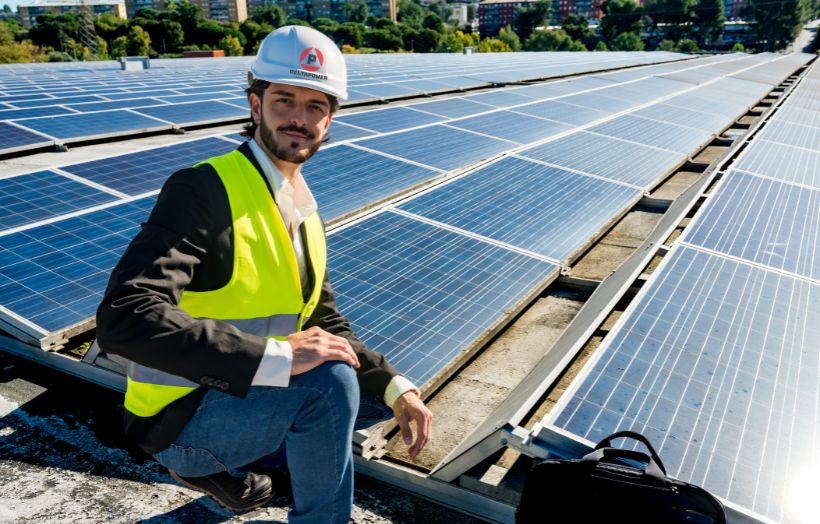
Step-by-Step Guide to Protect Solar Panels During Heavy Storms
1. Check Mounting Strength and Tighten All Fixtures
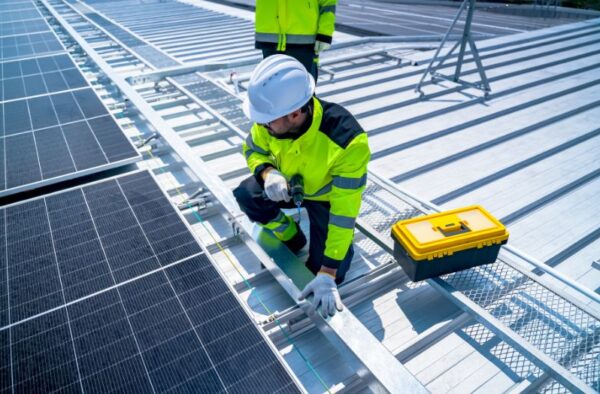
Your solar structure is the first thing that faces storm pressure. Loose bolts or weak anchoring can cause panels to shift or detach in high winds.
Before storm season:
- Inspect mounting brackets and clamps
- Ensure all bolts are properly tightened
- Check for any movement in the structure
A professionally done solar structure installation significantly reduces the risk of wind damage.
2. Inspect Panels for Micro-Cracks or Weak Points
Small cracks or edge damage may not affect performance immediately, but they become critical during storms.
Look for:
- Hairline cracks on glass surface
- Discoloration or burn marks
- Loose panel edges
If these are ignored, water can seep in during heavy rain and damage internal cells.
3. Clean Panels Before the Storm Hits
Dust, leaves, and debris can turn into a sticky layer when mixed with rain. This can block sunlight and create long-term stains.
Using solar panel cleaning services before storm season:
- Improves water runoff
- Prevents dirt accumulation
- Makes post-storm inspection easier
Professional solar cleaning services also ensure no scratches or damage during cleaning.
4. Secure Nearby Objects and Trim Trees
Flying debris is one of the biggest risks during storms.
Make sure to:
- Trim overhanging branches
- Remove loose items from rooftops
- Secure nearby equipment or structures
Even a small object hitting a panel at high speed can cause serious damage.
5. Ensure Proper Drainage Around Panels
Water pooling can damage both panels and roof structures.
Check that:
- Drainage paths are clear
- Panels are installed at a proper tilt
- No blockage exists under the panel array
Good installation design ensures rainwater flows off easily without buildup.
6. Monitor System Performance Before the Storm
Check your system’s output through the inverter or monitoring app.
If your system is already underperforming before a storm, it may indicate an existing issue that could worsen during harsh weather.
Reliable inverter and battery solutions often include monitoring features that help detect these problems early.
What to Do After a Storm?
Even if everything looks fine, a quick inspection is essential after severe weather.
Check for:
- Misaligned panels
- Visible cracks or dirt patches
- Sudden drop in energy production
Avoid touching wiring or attempting repairs yourself. Solar systems carry electrical risk and require proper handling.

If Damage Happens, Get Professional Maintenance Immediately
If your system shows any signs of damage, the safest and most effective step is to contact professionals.
Expert solar panel installation services include:
- Safe system inspection
- Fault detection
- Repair or replacement of damaged components
Delaying maintenance can reduce system efficiency and increase long-term costs.
Delta Power provides reliable support to ensure your system is restored quickly and safely.

Modern Solar Panels Are Built for Harsh Weather
Today’s solar panels are manufactured using durable materials like tempered glass and corrosion-resistant frames. They are tested to withstand strong winds, heavy rain, and even hail.
However, performance during storms depends heavily on installation quality.
A system installed by the best solar company in Pakistan is designed to handle local weather conditions, including wind loads and environmental factors.
This is why professional residential solar installation and commercial solar installation are critical for long-term durability.
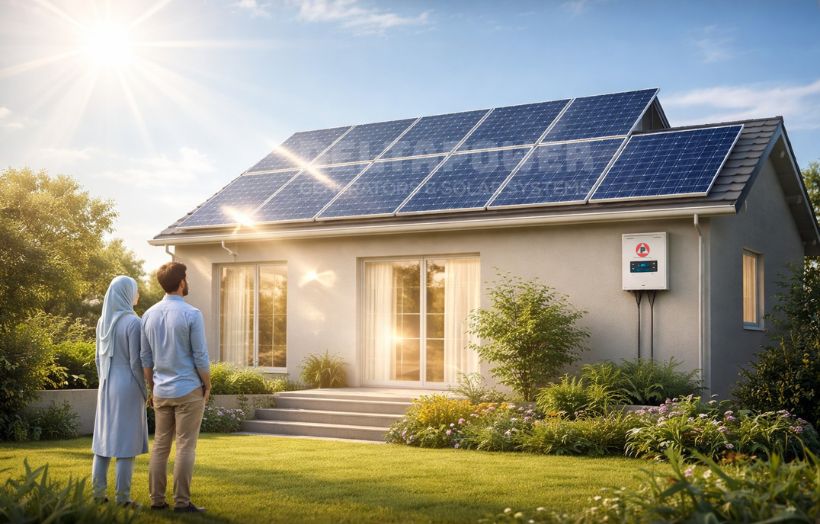
Why Proper Installation Is the Real Protection
Storm resistance is not just about the panels. It is about how the entire system is built.
A professionally installed system ensures:
- Strong structural support
- Correct tilt and alignment
- Secure electrical connections
- Long-term stability
Delta Power provides complete solar energy solutions in Pakistan, ensuring every system is installed with durability, safety, and performance in mind.
Protecting your solar panels during heavy storms is not complicated, but it requires the right approach. Regular inspection, proper cleaning, and strong installation can prevent most issues before they happen.
Modern solar systems are built to last, but only when installed and maintained correctly. Taking preventive steps today ensures your system continues to deliver savings and reliable power for years.
If you want a system designed to handle real-world conditions, Delta Power is ready to help with expert guidance and dependable service.
FAQs
Yes, modern solar panels are designed to withstand strong winds, heavy rain, and harsh weather conditions. However, proper solar structure installation and secure mounting are essential to ensure they remain safe during storms.
To protect solar panels during a storm, ensure all mounting structures are secure, clean the panels, remove nearby debris, and check for any existing damage. Proper preparation helps reduce the risk of storm-related issues.
In most cases, solar systems do not need to be turned off manually as inverters have built-in safety features. However, if there is severe damage risk or electrical issues, it is best to consult professionals.
After a storm, check for visible cracks, loose panels, debris buildup, and any drop in system performance. If you notice anything unusual, contact professional solar panel installation services for inspection.
Yes, solar panel cleaning helps remove dust and debris, allowing proper water flow during rain. Clean panels are less likely to develop stains or blockages, improving both safety and efficiency.